
Introduction
The Alpine Forests of Errata are found only in narrow, protected valleys deep within the Highland terrain. Sheltered by steep rock walls and oriented to capture condensation from drifting mist layers, flash floods, and rain runoff, these regions have retained viable ecosystems where most of the world has dried or turned hostile.
They are not, however, remnants of untouched nature, but isolated survivors—zones where adapted flora and fauna, often the former subjects of Bygone Era genetic species management, have carved out precarious, aggressive persistence. These forests are green only because they are defended.
They are not safe. They are not still.

Weather
Weather here would be unfamiliar to todays Earth inhabitants. Moisture here forms from atmospheric compression and cold air pooling during the evenings, resulting in regular fog saturation, limited nighttime precipitation, and ground-level condensation. Unlike the Plateaus or Lowlands, the Alpine Forests maintain a damp cycle independent of rainfall—fed by runoff, trapped mist, and spring-fed pressure lines from glacial collapse.
- Temperatures remain cool by Errata standards, ranging from -5°C to 40°C seasonally
- Temperature drops can cause sudden freezes.
- Freezing fog and and snowfall is common after nightfall, but generally melts away by mid-morning.
- High humidity makes 40°C feel much, much warmer.
Wind is minimal, but pockets of volatile gas or fungal bloom drift may accumulate in forest hollows without warning. Creatures not adapted or prepared risk illness, or even death, from the noxious fumes.


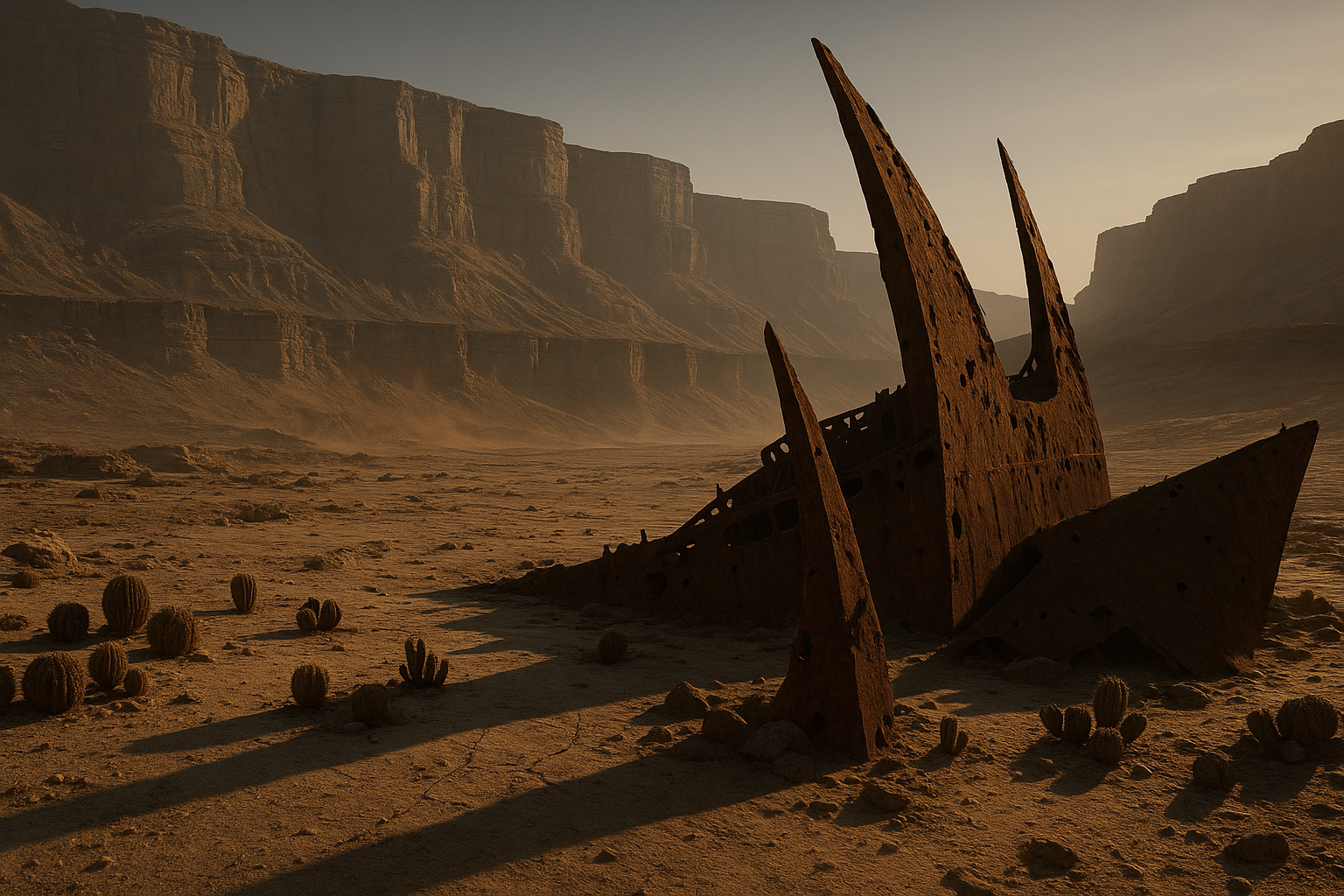
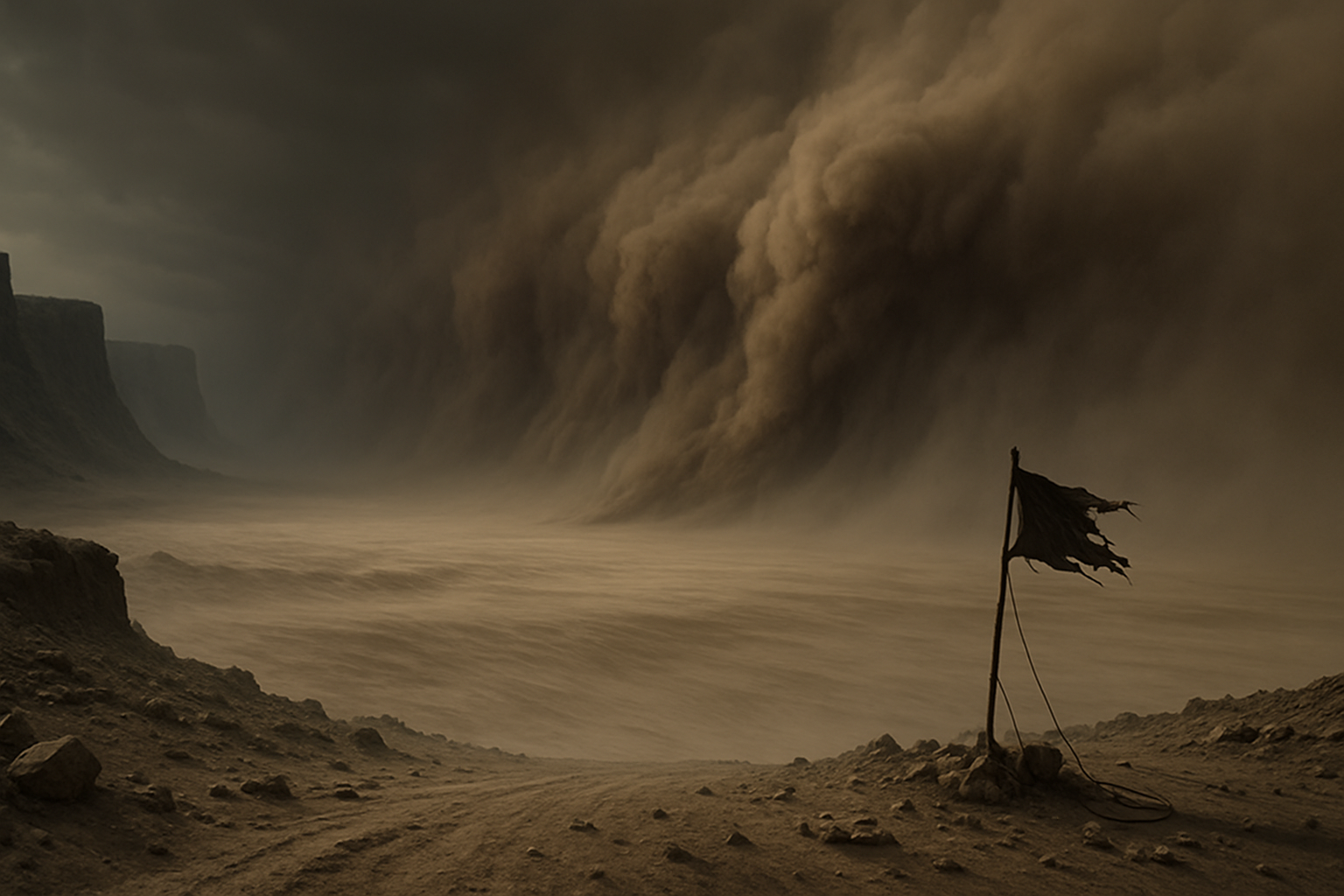
Terrain Features
The terrain is steep and inconsistent, defined by fractured stone, ancient runoff paths, and collapsed basalt shelves now overgrown with deep-rooting trees. Genetic remnants of Kauri, Totara, Nikau, and other regional species dominate the canopy, but they have changed.
Kauri in particular—once stabilized through Bygone-era gene treatment—have become adaptive, reactive organisms. Younger trees under 800 years old exhibit hardened trunk spikes coated in hemolytic toxins and have begun processing protein from decomposing matter near their root zones. These trees are not carnivorous in the traditional sense, but their behavioral logic is shifting toward predation.
Settlements are impossible, though Highland people attempt to cultivate lumber at the forest edges through managing species and removing aggressive Kauri and Redwood before they can mature.
Prolonged camp presence invites territorial signaling from both floral and animal populations, with carnivorous plants releasing pheromones that attract predatory animals.
Animals within the forest are hostile by necessity. Scavenger cycles have shortened. Avians, particularly Kea, show unusually focused aggression toward humans and exposed equipment. This intelligence is not evolved for Errata, it was always there. It is however well employed in the forests of Errata thanks to the refuge these woods provide.
Movement through these zones requires caution, preparation, and understanding that it is likely not all will survive the journey. Parties travel overstaffed as a result, often with a clearing team that doubles as a secondary defense group.
No path holds from season to season, as root expansion and vegetation collapse regularly erase known passages. Highland maintenance parties regularly work to manage the roads, using treefall as lumber harvest both locally and sent to the Plateau as a trade good.
Despite their beauty, these valleys are not retreats—they are active biological systems evolved in response to human disruption. In Errata, the Alpine Forests are the final strongholds of nature, but they are not forgiving. They are defensive, reactive, and still learning how to push back.
Support the Build
Like what you see? Help us build Errata—an original world shaped by Indigenous creators, on Indigenous terms. We’re early in development and every bit of support helps bring this vision to life.